
High Volume Welding Projects
Repeatable welded parts built for OEM production.
Producing one good welded part is only the beginning. OEM production requires hundreds or thousands of components to maintain consistent fit, weld placement, strength, and quality from one part to the next.
Request A QuoteHigh Volume Welding Requires More Than A Good Weld
For an Original Equipment Manufacturer, producing one good welded part is not enough. The real challenge is producing hundreds or thousands of them while maintaining consistent fit, weld placement, strength, and overall quality from one part to the next.
That is where high volume welding becomes an important manufacturing capability.
At Advantech Industries, production welding supports OEM customers that need repeat welded components manufactured efficiently and consistently. These projects can range from relatively simple parts with only a few weld locations to unusual fabricated components requiring multiple pieces to be accurately positioned and joined.
The three production parts below demonstrate just how different high volume welding projects can be—and why the manufacturing process behind the weld is often just as important as the weld itself.
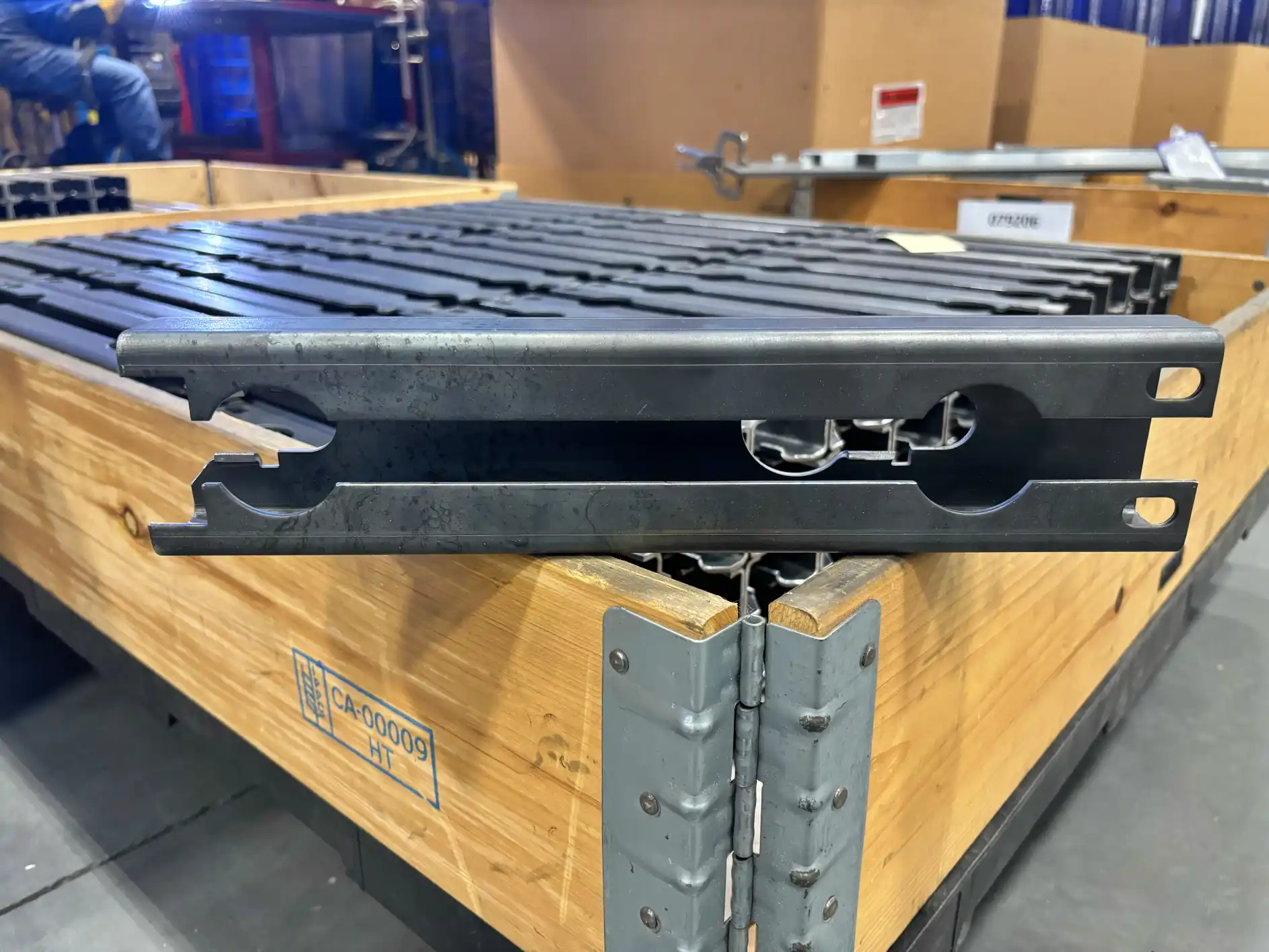
Welded Hinge Components


Alignment Matters Beyond The Weld
This production component demonstrates the importance of maintaining alignment throughout a high volume welding program. The hinge-style part combines multiple metal features that must be correctly positioned before they are permanently joined.
For a single fabricated part, alignment is important. Across hundreds or thousands of parts, it becomes even more critical. Small changes in component positioning can create variation that affects how the part fits or functions when it reaches the OEM.
The objective is therefore not simply to create a strong weld. Advantech develops the production process around maintaining the required geometry from one component to the next.
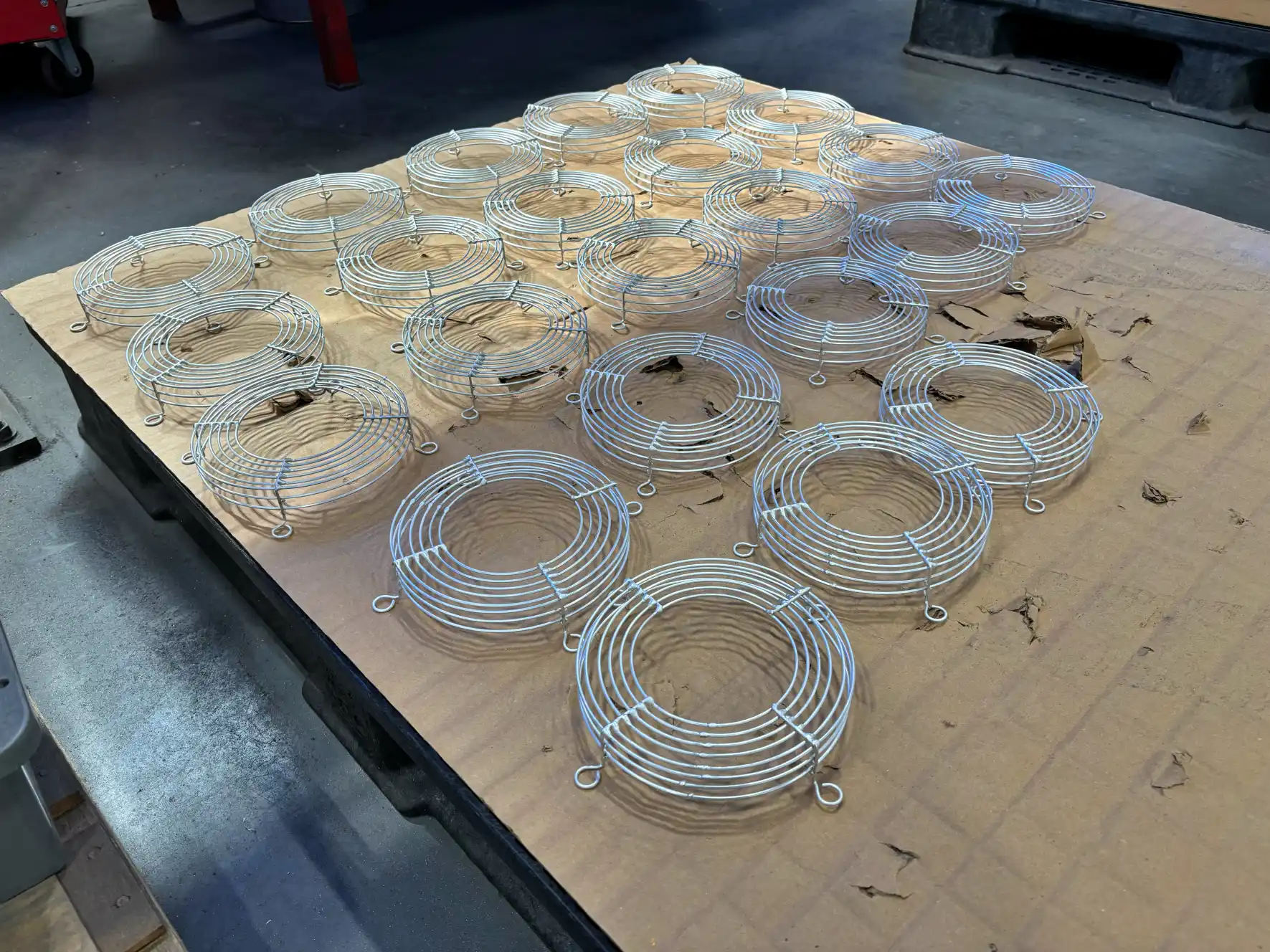
Welded Wire Covers And Guards


Unconventional Geometry. Repeatable Results.
Not every welded OEM component begins with traditional sheet metal. This unique cover is manufactured from multiple formed sections that must be positioned at the proper spacing and welded together to create the completed part.
Although each individual weld may be relatively small, consistency across the entire component matters. Changes in spacing, alignment, or weld placement can affect the overall shape and fit of the part.
Multiply those requirements across a large production order and repeatability becomes essential. The manufacturing process must reproduce the required geometry again and again without introducing unnecessary variation from one part to the next.
“The goal isn't to weld the part once. It's to build a process capable of producing it consistently throughout the entire production run.”
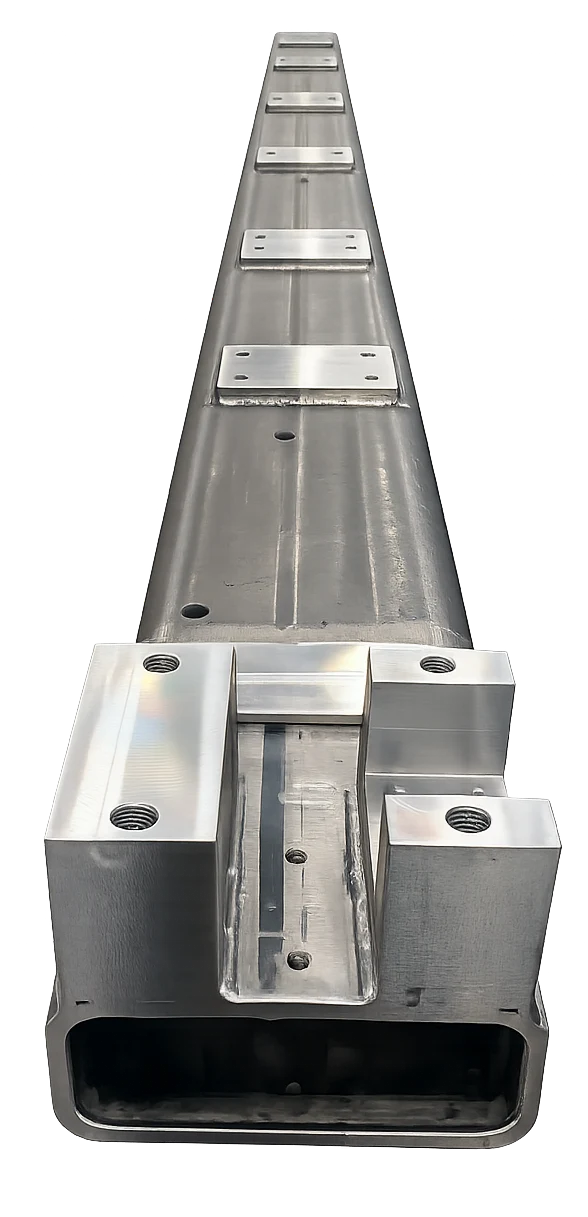
Formed Sheet Metal With Welded End Components

Adding Welded Features To A Formed Component
The third example begins with sheet metal that has already been formed into a long rectangular structural shape. The welding operation adds an additional metal piece across the end of the formed component.
The part demonstrates another common requirement in OEM production: a component may move through several manufacturing processes before welding ever begins. The underlying geometry has already been created through sheet metal fabrication, and the welded feature then needs to be added in the correct position.
Across a high volume order, Advantech must repeatedly locate that end piece against the formed component and produce the required weld without compromising the geometry of the surrounding part.
For the OEM, the value is a manufacturing process capable of combining forming and welding requirements while maintaining consistency across production quantities.
What Makes High Volume Welding Different?
High volume welding is not simply manual welding performed more times. Production welding requires a manufacturing process designed around repeatability, throughput, and quality.
Depending on the component, that can involve dedicated fixtures, controlled part positioning, standardized weld sequences, inspection procedures, and an efficient flow of material through the welding department.
For OEM buyers, the question is not only whether a supplier can weld the component. It is whether that supplier can establish a manufacturing process capable of producing the required quantity while maintaining the requirements of the part.
Repeatable Positioning
Components must be located consistently before welding so finished geometry remains controlled throughout production.
Controlled Weld Processes
Standardized processes and weld sequences help maintain consistency as production quantities increase.
Production Throughput
The manufacturing strategy must support the quantities and delivery requirements of the OEM production program.
Quality At Scale
Increasing quantity cannot mean sacrificing consistency. Quality needs to remain part of the process throughout the production run.
Fixtures And Repeatability Matter
Fixturing can play a major role in production welding. A properly designed fixture helps locate individual pieces in a repeatable position before welding begins.
Instead of determining placement from scratch for every component, the production process establishes where each piece belongs. That becomes increasingly valuable as quantities grow.
Consider the three examples above. The hinge components need proper alignment. The formed sections of the cover need consistent positioning. The welded end piece on the structural component needs to repeatedly land in the correct location.
Different parts require different manufacturing approaches, but they share the same objective: make the next part like the one before it.
For OEM production, that repeatability is critical.
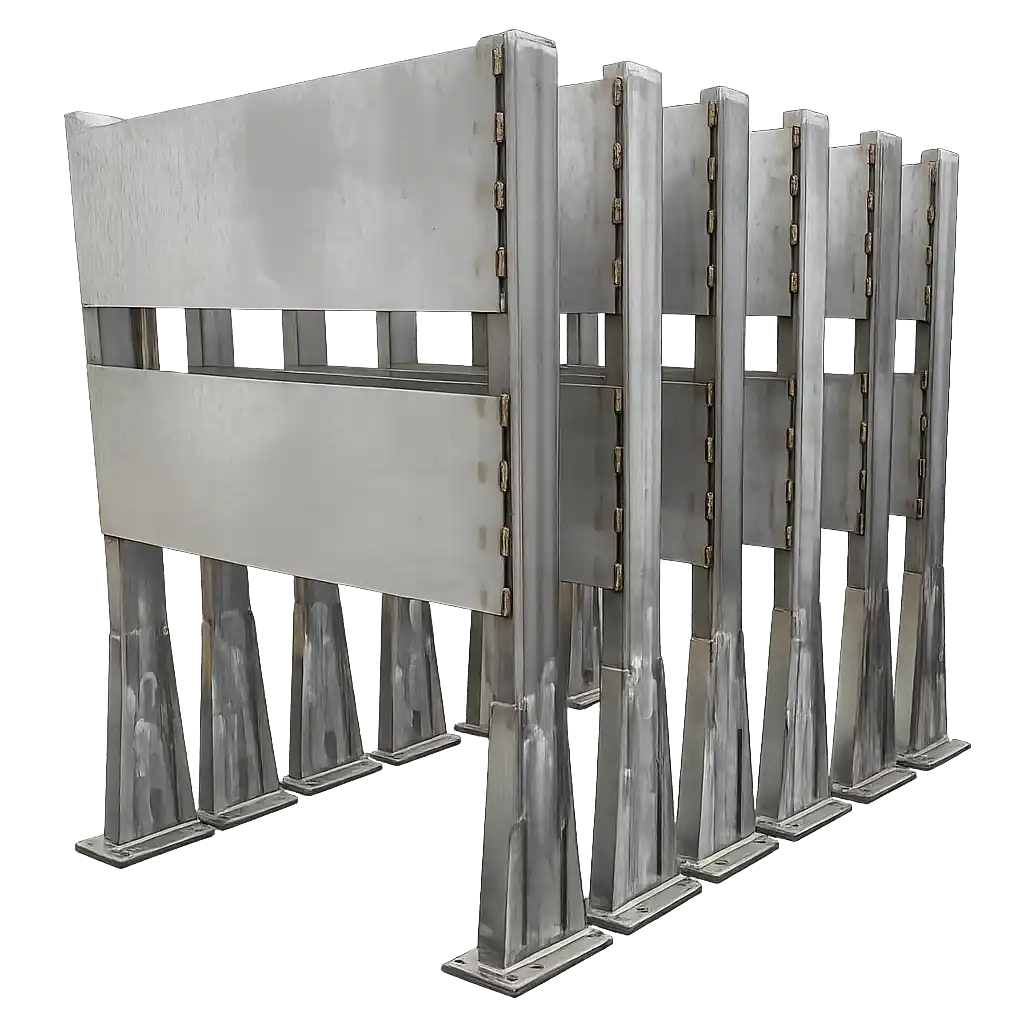
What Should You Expect From A Production Welding Supplier?
As quantities increase, the supplier's ability to control the entire production process becomes increasingly important.
Consistent weld placement across the production run
Dimensional consistency from part to part
Accurate positioning before welding
Capacity for required production quantities
Quality maintained as production scales
Additional manufacturing operations when required

High Volume Welding For Custom OEM Parts
Production quantities do not necessarily mean simple geometry. OEMs may require large quantities of custom parts with very different shapes, materials, weld locations, and manufacturing requirements.
Some components require only one or two welds. Others may contain numerous individual pieces and weld locations. The manufacturing strategy should be developed around the actual component, its application, and the quantity required.
From Individual Components To Production-Ready Parts
For OEMs, there is an advantage to working with a manufacturer capable of doing more than welding.
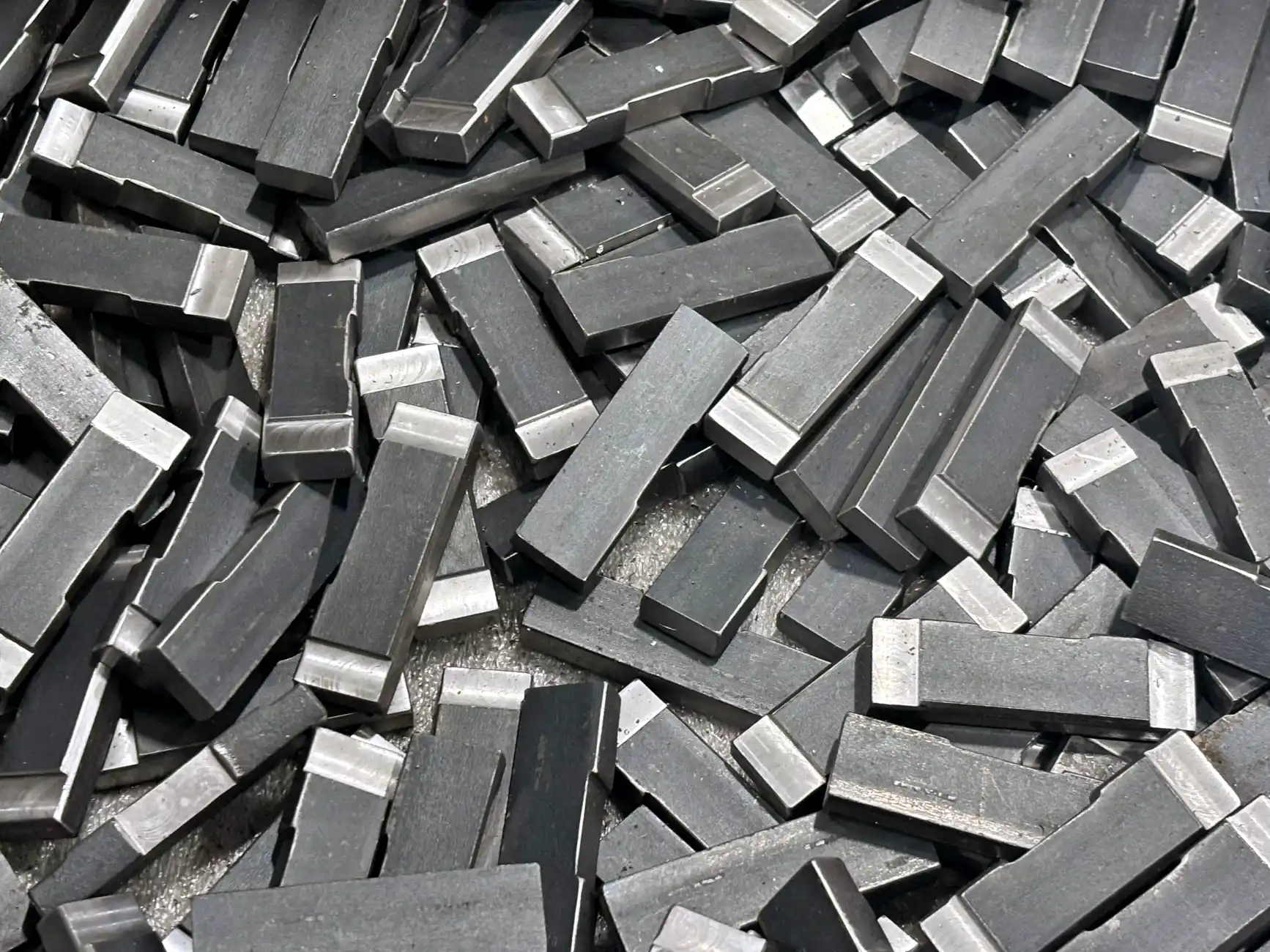
A welded component may begin with material that needs to be laser cut, punched, machined, water jet cut, or formed. After welding, it may require additional fabrication, inspection, finishing, or other manufacturing operations.
Coordinating these processes through a capable manufacturing partner can reduce the number of suppliers involved in producing the part.
Instead of viewing welding as an isolated operation, OEM buyers can consider the entire manufacturing path—from raw material and individual components through the completed production part.
Need Hundreds Or Thousands Of Repeat Welded Components?
Advantech Industries supports OEM customers with production welding and additional manufacturing capabilities for custom components. Whether your project involves sheet metal, machined components, formed material, structural pieces, or multiple parts that need to be welded together, our team can help develop a production process around the requirements of the job.
Request A High Volume Welding Quote